Home > Stainless Steel 316/316L Channels
Mitchell Stainless has earned a solid reputation as a reliable manufacturer and supplier of top-notch Stainless Steel 316/316L Channels in Hamilton, New Zealand. Catering to a variety of industrial and commercial sectors, they are known for their precision in manufacturing and unwavering quality. The channels produced by Mitchell Stainless not only meet international standards but also excel in performance. Valued for their exceptional corrosion resistance, strength, and durability, these channels thrive in tough environments. With a strong commitment to customer satisfaction, timely deliveries, and tailored solutions, Mitchell Stainless has become a trusted partner for structural, fabrication, and engineering projects throughout New Zealand and beyond.
Stainless Steel 316/316L channels are a type of austenitic stainless steel, primarily made up of iron, chromium (16–18%), nickel (10–14%), and molybdenum (2–3%), which significantly boosts their corrosion resistance. The lower carbon content in 316L enhances weldability and minimizes carbide precipitation. These channels are known for their impressive tensile strength, good yield strength, and remarkable toughness, even in extreme temperatures. They also boast high resistance to pitting, crevice corrosion, and chemical attacks, making them ideal for challenging structural applications.
| Standard | ASTM A276, ASTM A479 / ASME SA276, ASME SA479 |
| Condition | HRAP |
| Size Range | Base: 80 to 150 mm Side: 40 to 75 mm |
| Thickness | 5 to 6 mm (depending on size) |
| Grades | 304, 316 |
| Processing | Bar cutting |
| Grade | C | Mn | Si | P | S | Cr | Mo | Ni |
|---|---|---|---|---|---|---|---|---|
| SS 304 | 0.08 max | 2 max | 0.75 max | 0.045 max | 0.030 max | 18 – 20 | – | 8 – 11 |
| SS 304L | 0.035 max | 2.0 max | 1.0 max | 0.045 max | 0.03 max | 18 – 20 | – | 8 – 13 |
| SS 316 | 0.08 max | 2.0 max | 1.0 max | 0.045 max | 0.030 max | 16.00 – 18.00 | 2.00 – 3.00 | 11.00 – 14.00 |
| SS 316L | 0.035 max | 2.0 max | 1.0 max | 0.045 max | 1.0 max | 16.00 – 18.00 | 16.00 – 18.00 | 10.00 – 14.00 |
| Density | Melting Point | Tensile Strength | Yield Strength (0.2%Offset) | Elongation |
|---|---|---|---|---|
| 8.0 g/cm3 | 1400 °C (2550 °F) | Psi – 75000 , MPa – 515 | Psi – 30000 , MPa – 205 | 35 % |
Contact us to get a quick quote for your requirement.
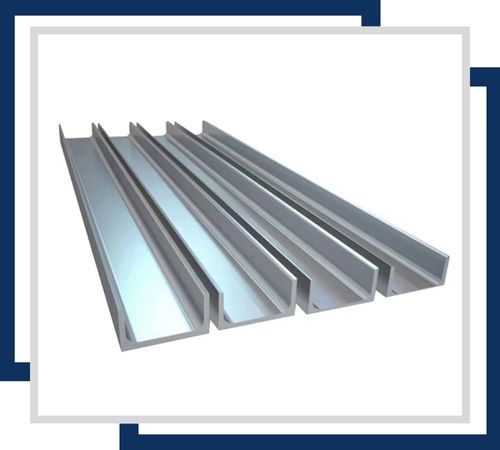
Stainless Steel 316/316L channels are structural elements made from corrosion-resistant stainless steel. They provide high strength and durability, ideal for marine, chemical, and high-temperature applications.
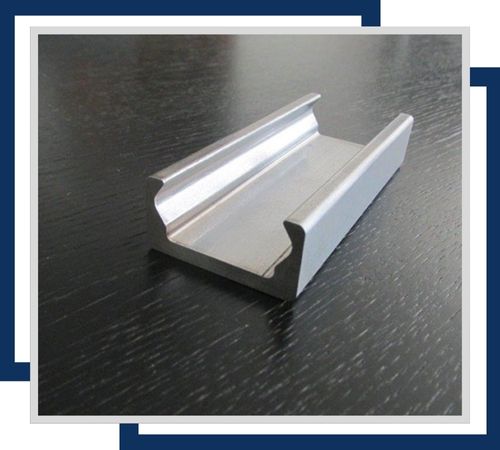
SS 316/316L C channels are stainless steel sections shaped like a “C,” offering high strength and superior corrosion resistance. They are used for support and framing in demanding environments.
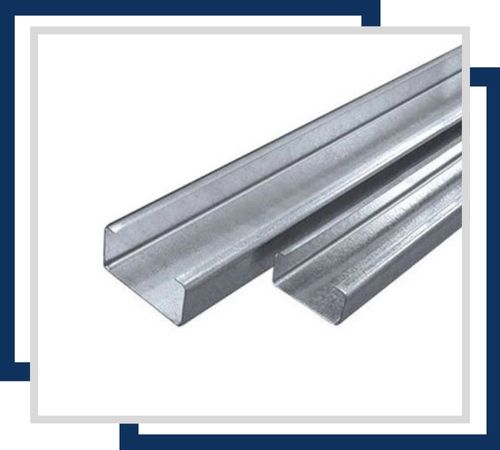
Stainless Steel 316/316L U channels are structural components with a “U” shape, known for excellent strength and corrosion resistance. They are used in marine, chemical, and high-temperature environments for support and reinforcement.
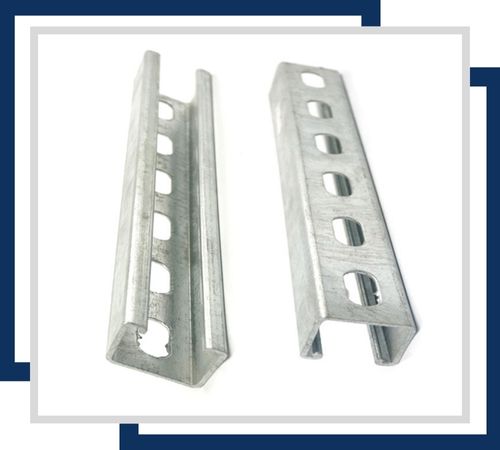
SS 316/316L strut C channels are stainless steel sections with a “C” shape, designed for robust support and framing. They offer high strength, durability, and excellent corrosion resistance for industrial applications.
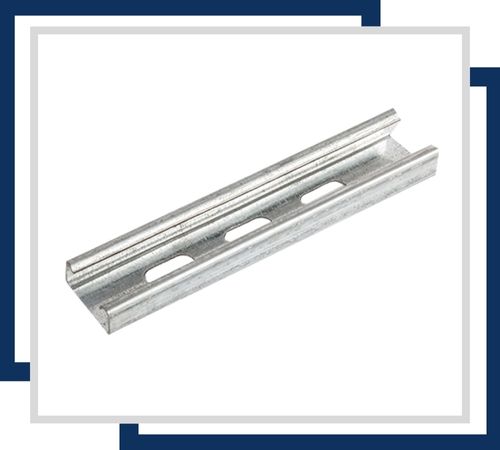
SS 316/316L cold-rolled Unistrut channels are stainless steel channels produced through cold rolling. They offer high strength, excellent corrosion resistance, and are used for versatile support and framing in demanding environments.
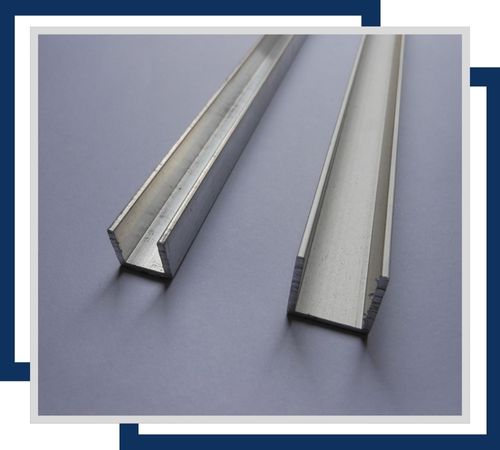
SS 316/316L double C type channels are stainless steel sections with two “C” shapes back-to-back. They provide enhanced strength and stability, suitable for heavy-duty support and structural applications in harsh environments.
Each Stainless Steel 316/316L Channel is carefully packed with the use of best materials for its prevention from undergoing damages upon corrosion whether in processing or during shipping to its destination. Packing the materials as such, we always see to it that our orders reach our customers in the best possible and timely way due to available transport systems and modes. Requisite accompanying documentation all highest will be handed over to customers as soon as delivery is accomplished to make the deal seem smooth and transparent.
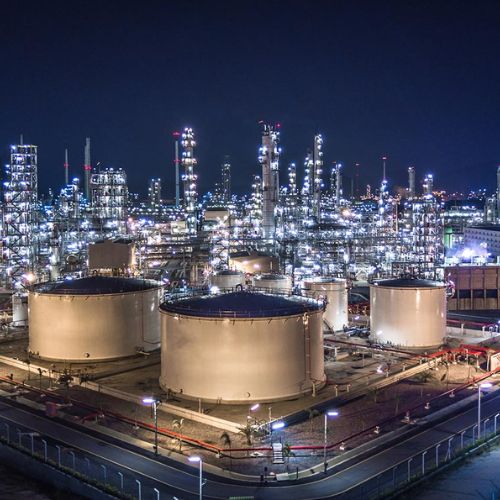
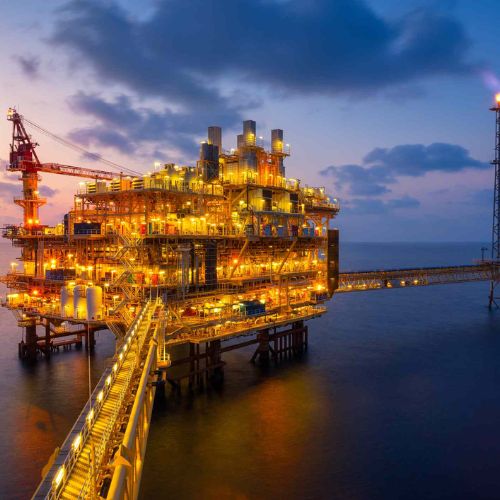
Stainless Steel 316/316L channels find extensive use in construction, marine, chemical processing, and food and beverage industries, thanks to their strength and resistance to corrosion. They are often utilized in structural frameworks, supports, platforms, and architectural fabrications where both durability and aesthetics matter. In marine and coastal settings, these channels effectively withstand saltwater corrosion. Additionally, they are well-suited for pharmaceutical plants, ensuring that they meet the rigorous standards required in such sensitive environments.





©2024 Mitchell Stainless All Rights Reserved.